Por que a ventilação é importante em um sistema de montagem solar?
Jan 29, 2026
No projeto de qualquer instalação de energia solar, embora a seleção dos painéis e a integridade estrutural recebam atenção considerável, o papel crucial da ventilação adequada é frequentemente subestimado. O gerenciamento eficaz do fluxo de ar atrás dos painéis solares não é uma consideração secundária, mas um requisito fundamental de projeto que influencia diretamente o desempenho do sistema, a longevidade do equipamento e o retorno financeiro. Este artigo explora por que a otimização da ventilação é uma função essencial de um projeto bem elaborado.
sistema de montagem de painéis solares
.
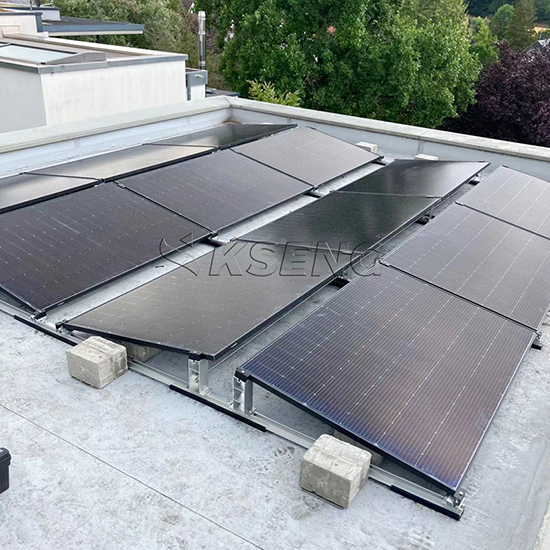 H2: Preservando a eficiência e a potência do painel.
H3: Combatendo a perda de potência induzida pelo calor
Os painéis solares fotovoltaicos tornam-se menos eficientes à medida que sua temperatura de operação aumenta. Quando os painéis são montados diretamente contra uma superfície sem circulação de ar adequada, o calor se acumula — um fenômeno conhecido como "efeito de ilha de calor". Um sistema de montagem projetado profissionalmente incorpora alturas de folga específicas entre o painel e o telhado ou o solo, criando um canal de convecção natural. Esse mecanismo de resfriamento passivo permite a dissipação do calor, mantendo os painéis mais próximos de sua temperatura de operação ideal e preservando sua potência nominal, o que impacta diretamente a produção anual de energia.
H2: Prolongando a vida útil dos componentes do sistema
H3: Mitigando a degradação térmica e por umidade
O calor excessivo e prolongado acelera o processo de envelhecimento de todos os componentes do sistema. Pode degradar os encapsulantes dos painéis, tensionar as ligações de solda dentro das células e reduzir a vida útil da fiação e dos conectores. Uma ventilação adequada atenua esse estresse térmico. Além disso, ao permitir que a umidade proveniente da condensação ou da entrada acidental de água evapore rapidamente, um projeto ventilado ajuda a prevenir a corrosão dos componentes de fixação e das conexões elétricas, protegendo a confiabilidade e a segurança a longo prazo de toda a instalação.
H2: Melhorando a saúde do telhado e a integridade da construção
H3: Proteção do substrato e regulação da temperatura
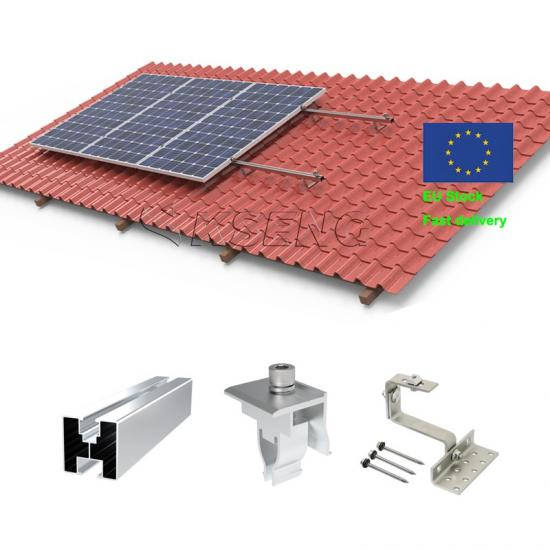
Para
sistemas solares em telhados
A ventilação desempenha um papel crucial na preservação do envelope do edifício. O espaço de ar criado pelo sistema de montagem impede a transferência excessiva de calor para a membrana ou telhas do telhado, o que pode levar ao envelhecimento precoce dos materiais de cobertura e ao aumento da necessidade de refrigeração interna em climas mais quentes. Essa zona de amortecimento ajuda a manter uma temperatura mais estável no telhado, contribuindo para a eficiência energética geral do edifício e potencialmente prolongando a vida útil do próprio telhado, um benefício secundário significativo.
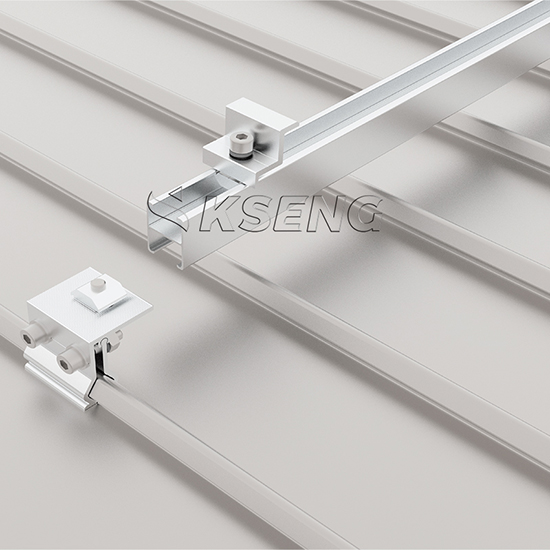
Conclusão
A ventilação é um elemento integral e não negociável de
sistema de montagem solar
O projeto de montagem protege diretamente o investimento financeiro no sistema solar, preservando a eficiência dos painéis, protegendo a longevidade dos componentes e contribuindo para a integridade da estrutura subjacente. Priorizar o fluxo de ar no projeto de montagem transforma uma instalação estática em um sistema com resfriamento dinâmico, contribuindo diretamente para o desempenho sustentado e a valorização duradoura do projeto.



 Suporta rede IPv6