Meta Descrição
Como garantir a confiabilidade a longo prazo dos suportes de montagem solar?
Os suportes de montagem solar são um componente crítico de qualquer sistema fotovoltaico (PV). Enquanto os painéis solares geram eletricidade, o sistema de montagem solar (estrutura de montagem PV / sistema de racks solares) garante que os módulos permaneçam firmemente fixados, corretamente alinhados e estruturalmente estáveis ao longo de sua vida útil.
Um sistema bem projetado sistema de montagem solar melhora a segurança, aumenta a produção de energia e reduz os custos de manutenção a longo prazo. Portanto, garantir a confiabilidade a longo prazo é essencial para todos os projetos solares, desde instalações residenciais até grandes usinas solares.
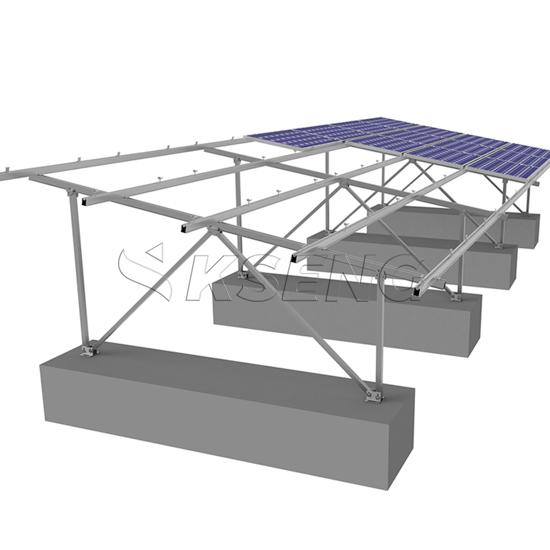
Escolha os Materiais Resistentes à Corrosão Adequados
Suportes de Montagem Solar de Alumínio
● Excelente resistência à corrosão
● Estrutura leve para fácil instalação
● Alta relação resistência-peso
● Baixa necessidade de manutenção
O alumínio anodizado é especialmente adequado para ambientes úmidos, costeiros e de alta salinidade, onde a resistência à corrosão é crítica.
Sistemas de Montagem em Aço Galvanizado
● Alta resistência estrutural
● Alta capacidade de carga
● Estabilidade mecânica confiável
● Desempenho econômico para projetos de grande escala
É amplamente aplicado em sistemas de racks solares que exigem reforço estrutural aprimorado e durabilidade a longo prazo.
Sistemas de aço revestido Zn-Al-Mg
O aço revestido Zn-Al-Mg (Zinco-Alumínio-Magnésio) representa uma solução de material avançada para estruturas de montagem solar.
● Superior resistência à corrosão
● Desempenho de revestimento de autorreparação
● Vida útil externa prolongada
● Forte integridade estrutural em condições adversas
Comparado ao aço galvanizado tradicional, o revestimento Zn-Al-Mg melhora significativamente a resistência à corrosão em áreas costeiras, zonas industriais e ambientes de alta umidade, tornando-o ideal para aplicações de montagem fotovoltaica de longo prazo.
Garanta um Projeto de Engenharia Estrutural Adequado
Um sistema de estrutura confiável sistema de estrutura de montagem solar deve ser projetado para suportar cargas ambientais de longo prazo e estresse operacional.
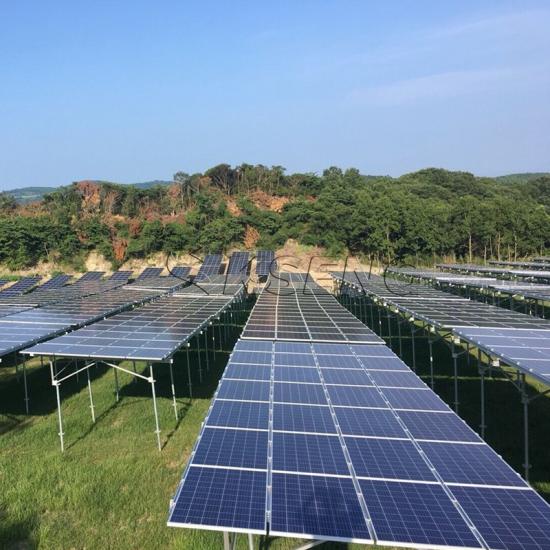
● Otimização da inclinação dos módulos fotovoltaicos
Use Fixadores e Componentes de Conexão de Alta Qualidade
Cada componente em um sistema de montagem solar contribui para a estabilidade estrutural e segurança geral.
● Melhorar a resistência estrutural
● Reduzir o risco de corrosão
● Manter a estabilidade mecânica a longo prazo
● Evitar o afrouxamento das conexões sob vibração e carga
Siga Práticas Profissionais de Instalação
Mesmo suportes de montagem solar de alta qualidade podem ter desempenho inferior se a instalação não for realizada corretamente.
● Controle preciso de torque durante a fixação
● Alinhamento adequado dos trilhos de montagem
● Conexões estruturais seguras
● Rigoroso cumprimento das especificações de instalação
Inspeção Regular e Manutenção Preventiva
Embora os sistemas de montagem solar sejam projetados para longa vida útil, inspeções periódicas melhoram significativamente a confiabilidade e segurança a longo prazo.
● Aperto e estabilidade dos fixadores
● Condições de corrosão da superfície
● Deformação estrutural ou desalinhamento
● Drenagem ou acúmulo de água
● Estabilidade da fundação e recalque
Adaptar o Projeto às Condições Ambientais
Diferentes ambientes exigem diferentes considerações estruturais para sistemas de montagem solar e estruturas de fixação solar.
Ambientes Costeiros
A exposição ao sal aumenta o risco de corrosão, tornando o alumínio e os materiais Zn-Al-Mg mais adequados para durabilidade a longo prazo.
Áreas com Neve
As estruturas devem ser projetadas para suportar cargas verticais mais elevadas causadas pelo acúmulo de neve.
Regiões de Ventos Fortes
Sistemas de ancoragem reforçados e reforço estrutural são necessários para manter a estabilidade sob fortes cargas de vento.
A adaptação ambiental é essencial para garantir a confiabilidade e consistência de desempenho do sistema fotovoltaico a longo prazo.
Desempenho de Longo Prazo dos Sistemas de Montagem Solar
A durabilidade de um estrutura de montagem solar depende do desempenho combinado dos materiais, do projeto de engenharia, da qualidade da instalação e da adaptação ambiental.
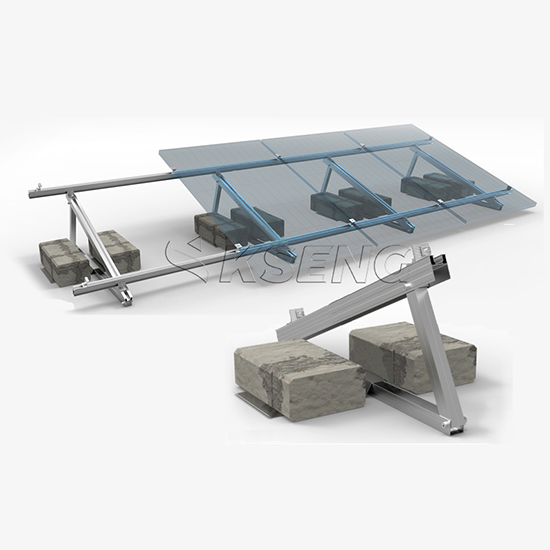
Um sistema de montagem fotovoltaica bem projetado pode manter:
● Desempenho mecânico estável
● Resistência à corrosão a longo prazo
● Integridade estrutural consistente
● Suporte confiável para módulos solares
Isso garante geração de energia solar segura, eficiente e estável ao longo de todo o ciclo de vida do sistema.
Conclusão
Garantir a confiabilidade de longo prazo dos suportes de montagem solar requer uma combinação de materiais de alta qualidade, engenharia estrutural precisa, práticas corretas de instalação e estratégias de adaptação ambiental.
Ao focar na resistência à corrosão, na resistência estrutural e na estabilidade do sistema, os projetos solares podem alcançar operação mais segura, maior eficiência energética e menores custos de manutenção ao longo do ciclo de vida.
Um sistema de montagem solar confiável é a base de uma instalação fotovoltaica durável e de alto desempenho.
Perguntas frequentes
Qual é o material mais durável para suportes de montagem solar?
Alumínio, aço galvanizado e aço revestido com Zn-Al-Mg são comumente usados. O Zn-Al-Mg oferece resistência superior à corrosão em ambientes agressivos.
Qual é a vida útil dos sistemas de montagem solar?
Um sistema de montagem solar bem projetado pode manter desempenho estável ao longo de todo o ciclo de vida operacional de um projeto fotovoltaico.
Por que a resistência à corrosão é importante em sistemas de montagem solar?
A corrosão enfraquece os componentes estruturais e reduz a estabilidade do sistema a longo prazo, tornando essenciais os materiais resistentes à corrosão.
Quais fatores afetam a confiabilidade dos suportes de montagem solar?
Os principais fatores incluem seleção de materiais, engenharia estrutural, qualidade da instalação e condições ambientais.
Os sistemas de montagem solar podem suportar condições climáticas extremas?
Sim. Sistemas devidamente projetados são feitos para resistir ao vento, cargas de neve, variação de temperatura e estresse ambiental de longo prazo.
Telefone : +86 0592-5795673
E-mail : info@xmkseng.com
: No.1, Xinshiqiao Rd., Xiang‘an Dist., Xiamen, Fujian, China.
: 11&12F, Huixin Wealth Centre, No. 891, Fanghu North 2nd Rd., Huli Dist., Xiamen, Fujian, China.



© 2026 Xiamen Kseng Metal Tech Co Ltd.Todos os direitos reservados.
 Suporta rede IPv6